

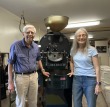
 Thank you for helping the farmers by purchasing Fair Trade, organic coffee, helping the environment and
mother earth. We have been in business for 23 years and will be closing when our inventory is used up. Until then
you can order whatever is available on the website. Click to Read More
Thank you for helping the farmers by purchasing Fair Trade, organic coffee, helping the environment and
mother earth. We have been in business for 23 years and will be closing when our inventory is used up. Until then
you can order whatever is available on the website. Click to Read More  |  |  |   | ||
 | |||||
 Roasted Coffee
 Green Coffee
 Tea
Tea Accessories
 Chocolate Products